Cactus Mead Recipe. Can you make mead from cactus juice?
One of our viewers sent us red nopal cactus juice, and naturally, we had to try turning it into a cactus mead. What followed was one of our more unusual fermentation experiments — complete with unexpected aromas, back sweetening adjustments, acid balancing, and a final tasting that surprised us.
In this post, we’ll walk you through the process, the numbers, and the final verdict. If you want to see every step in action (including our reactions), be sure to watch the full video linked below.

Why Make Cactus Mead?
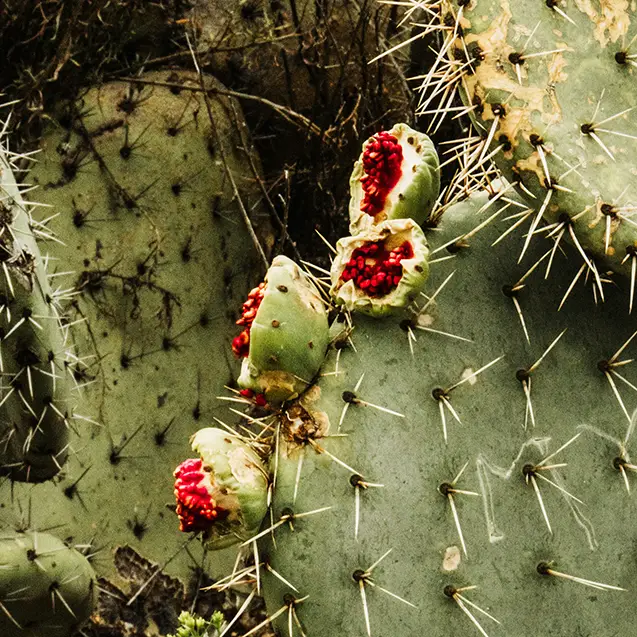
Cactus juice isn’t a typical mead ingredient. However, fermentation thrives on experimentation, and cactus has:
- Mild natural sugars
- Vegetal, earthy flavor compounds
- Subtle fruit character
- A unique aromatic profile
Because of that, we wanted to see:
Would it ferment cleanly?
Would the flavor improve with honey?
Could we turn it into something drinkable — or even good?
Ingredients We Used
This was a one-gallon experimental batch.
- 2 lbs (0.9 kg) Texas Honey: https://amzn.to/3YrtmMu
- 1 qt (0.946 liter) Red Nopal Cactus Juice
- Water to 1 US Gallon (3.785 liters)
- 1/2 packet QA23 Yeast: https://amzn.to/4d5v8ri
- 1/2 teaspoon Acid blend (adjusted post-fermentation)
- Additional Honey to specific gravity of 1.032 (or your preference)
Everything was fully sanitized before use.
Tools We Used
- 1 Gallon Fermenter with Airlock: https://amzn.to/4aNnik9
- Our Favorite Pitcher: https://amzn.to/3WOO8n9
- Scale: https://amzn.to/3YucOUm
- Star San: https://amzn.to/3SAcBLA
- Thumb Saver Bung: https://amzn.to/46C6GeM
- pH Strips: https://amzn.to/4d0jYnA
- Hydrometer: https://amzn.to/3x8zsWY
- Cylinder: https://amzn.to/3SxYAhl
- Baster: https://amzn.to/4fpWqu3
- 1/2 Sheet Baking Tray: https://amzn.to/3Ywm2zh
- Auto Siphon: https://amzn.to/46Cirlh
- Spaddle: https://amzn.to/4bM43IQ
- 1 Gallon Wide Mouth Fermenter: https://amzn.to/4bLUDNw
- Tasting Glasses: https://amzn.to/3KQBNJz
You may notice we do not have a lot of sponsored products or sponsored ads in our videos! That’s intentional. We have found most offered sponsorships are completely not appropriate to you, our audience, so we don’t want to waste your time. What we actually do is offer you links to products we USE and BELIEVE in. We use the Amazon Affiliate Program for these links and we DO receive a small commission if you purchase using our links and all this comes at no additional cost to you!
Fermentation Stats
Here are the technical numbers for those who like the details:
- Original Gravity (OG): 1.090
- Final Gravity (Dry): 0.996
- ABV: ~12.7%
- Final Sweetened Gravity: 1.032
- pH: ~4.2
The cactus juice contributed a small amount of sugar, but the honey carried the bulk of fermentation.
Fermentation was clean, steady, and fully attenuated.
What Does Cactus Mead Taste Like?
Let’s be honest — we were nervous about making this Cactus Mead Recipe.
Before fermentation, the cactus juice smelled very vegetal. We were not convinced this was going to end well.
After fermentation (dry at 0.996), the mead tasted:
- Lightly vegetal
- Slightly medicinal
- Subtly fruity
- Mild honey backbone
It wasn’t terrible… but it wasn’t amazing either.
So we adjusted.
Back Sweetening & Acid Adjustment
To improve balance, we:
- Back sweetened with Texas honey
- Added ½ teaspoon acid blend
- Pasteurized to stabilize
This brought the final gravity to 1.032, making it a sweet/dessert-style cactus mead.
The sweetness helped round out the vegetal notes. Meanwhile, the added acidity brightened the profile and enhanced drinkability.
This step made a significant difference.
Final Tasting Notes (After Stabilizing)
After clearing and resting:
Appearance:
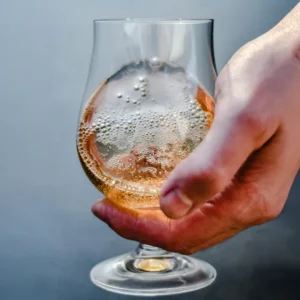
Golden with a greenish hue — almost an “interference paint” effect. Slight haze, but visually interesting.
Aroma:
- Floral notes
- Honey character
- Mild vegetal undertone
- Slight medicinal edge
Flavor:
- Better than the aroma suggests
- Fruity-vegetal combination
- Medium body with weight on the tongue
- Balanced sweetness
- Slight acidity/bitterness interplay on the finish
Is it our favorite mead ever? No.
Is it drinkable? Yes.
Is it interesting? Absolutely.
Final Score
Using our weighted scoring system (appearance, aroma, flavor, intent):
6.3 / 10
That may not sound sky-high, but for an experimental cactus juice mead, that’s a respectable outcome.
Most importantly: it successfully represents what a cactus mead should taste like — unusual, earthy, and honey-forward.
Key Lessons from This Cactus Mead Experiment
If you’re considering making your own cactus mead, here’s what we learned:
- Fermentation was clean and stable.
- Cactus juice contributes vegetal character more than fruit sweetness.
- Back sweetening dramatically improves balance.
- Acid adjustments can brighten earthy ingredients.
- Not every experimental mead needs to be perfect to be worthwhile.
Should You Try Making Cactus Mead?
If you enjoy:
- Experimental fermentations
- Unique flavor profiles
- Vegetal or earthy beverages
- Pushing the boundaries of traditional mead
Then yes — this is worth trying.
However, if you prefer classic fruit-forward or traditional meads, this one may not become your go-to recipe.
Watch the Full Cactus Mead Process
Reading about it is one thing.
Watching the full process — from opening the cactus juice to gravity readings, racking, back sweetening, pasteurizing, and final tasting — is another.
In the video, you’ll see:
- Our honest first reactions
- The full fermentation walkthrough
- Step-by-step gravity math
- Stabilization process
- Our unfiltered tasting impressions
👉 Be sure to watch the complete video and let us know in the comments:
Would you try cactus mead?