three cider yeast test
When making hard cider at home, one of the most common questions we hear is:
“Does the yeast you choose actually make a difference?”
To find out, we ran a simple but revealing experiment:
three identical ciders, three different cider yeasts, and one apple juice.
The goal was simple—remove as many variables as possible and see what the yeast alone contributes to the final cider.
Watch the full experiment here:

The Experiment: One Juice, Three Yeasts
To keep things fair, we used three identical bottles of apple juice with the exact same ingredients:
- Apple juice
- Water
- Apple juice concentrate
That’s it.
There were no preservatives, sulfites, potassium sorbate, or ascorbic acid—all ingredients that can interfere with fermentation. Using a clean juice like this helps ensure healthy yeast activity and a reliable cider fermentation.
With the juice selected, we tested three different SafCider yeast strains:
Our Test Subjects:
SafCider Yeast AB-1: https://amzn.to/4cK5cEo
SafCider Yeast AC-4: https://amzn.to/3AXB0EU
SafCider Yeast TF-6: https://amzn.to/47fpSiF
Each yeast was pitched into its own bottle so that the only variable in the experiment was the yeast strain.
Starting Measurements
Before fermentation began, we took a few key readings.
Original Gravity: 1.048
pH: Between 3.5 and 4.0
These numbers fall right in the typical range for apple juice fermentation and should produce a cider around 6–7% ABV once fermentation completes.
All three bottles fermented side-by-side in the exact same environment to keep the conditions consistent.
Fermentation Results
After about two weeks, fermentation appeared complete.
When we checked the final gravity, something interesting happened:
All three ciders finished at 0.998.
That means each yeast fermented the sugars almost identically, producing a cider around 6.5% ABV.
From a technical standpoint, the yeasts performed nearly the same in terms of:
- Fermentation speed
- Alcohol production
- Final gravity
But the real question remained:
Did they taste different?
The Cider Tasting
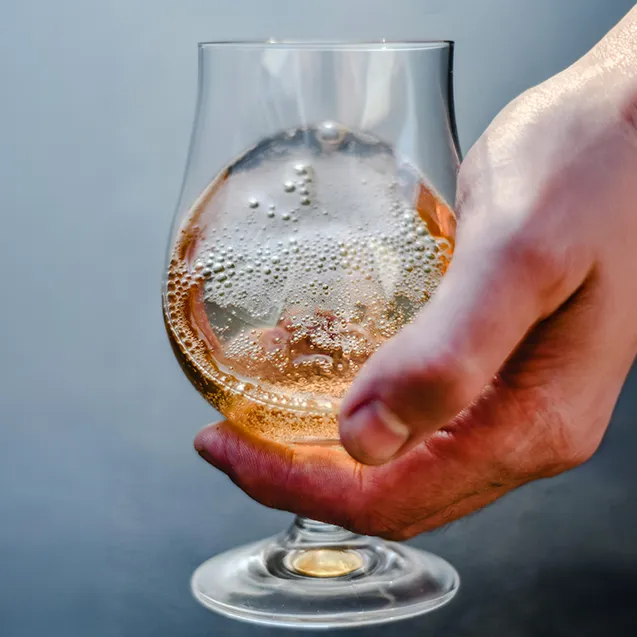
Even though the numbers were nearly identical, the tasting revealed subtle differences between the three batches.
SafCider AB-1 (Balanced)
This cider came across as slightly fruitier and softer, with a smoother overall profile. It had a gentle sweetness impression despite finishing dry.
SafCider AC-4 (Crisp)
The AC-4 batch leaned more acidic and sharper, highlighting the natural tartness of apples and producing a brighter finish.
SafCider TF-6 (Fruity)
TF-6 delivered a lighter body with noticeable fruit character, though the difference was subtle compared to the others.
Interestingly, if you tasted them hours apart, the differences might be hard to detect. But side-by-side comparisons revealed clear nuance shifts in aroma, acidity, and mouthfeel.
What This Experiment Shows About Yeast
The biggest takeaway from this cider yeast comparison is simple:
Yeast influences flavor—but usually in subtle ways.
In most homebrew situations, bigger flavor differences come from:
- The apples or juice used
- Fermentation temperature
- Aging time
- Additional ingredients
Yeast tends to nudge the cider in a direction, rather than completely transform it.
That’s why yeast descriptions like fruity, crisp, or balanced should be viewed as guidelines, not dramatic flavor changes.
Choosing the Best Yeast for Hard Cider
If you’re deciding which yeast to use for cider, consider these factors first:
Fermentation temperature range
Different yeast strains perform best at different temperatures.
Alcohol tolerance
Make sure the yeast can reach your target ABV.
Desired flavor profile
Choose a strain that enhances the direction you want—fruity, crisp, or balanced.
In our experiment, all three SafCider yeasts performed reliably, making them excellent options for home cider makers.
Final Thoughts
This was not meant to be a definitive scientific study. Every batch of cider can behave differently depending on ingredients and brewing conditions.
However, this experiment clearly shows something important:
You can successfully make hard cider with many different cider yeasts.
The differences will likely be subtle refinements rather than dramatic changes, especially when working with simple apple juice.
We use the Amazon Affiliate Program for these links and we DO receive a small commission if you purchase using our links and all this comes at no additional cost to you!
Want More? Join us in our VIP Club! More info can be found here: VIP Club – City Steading Brews